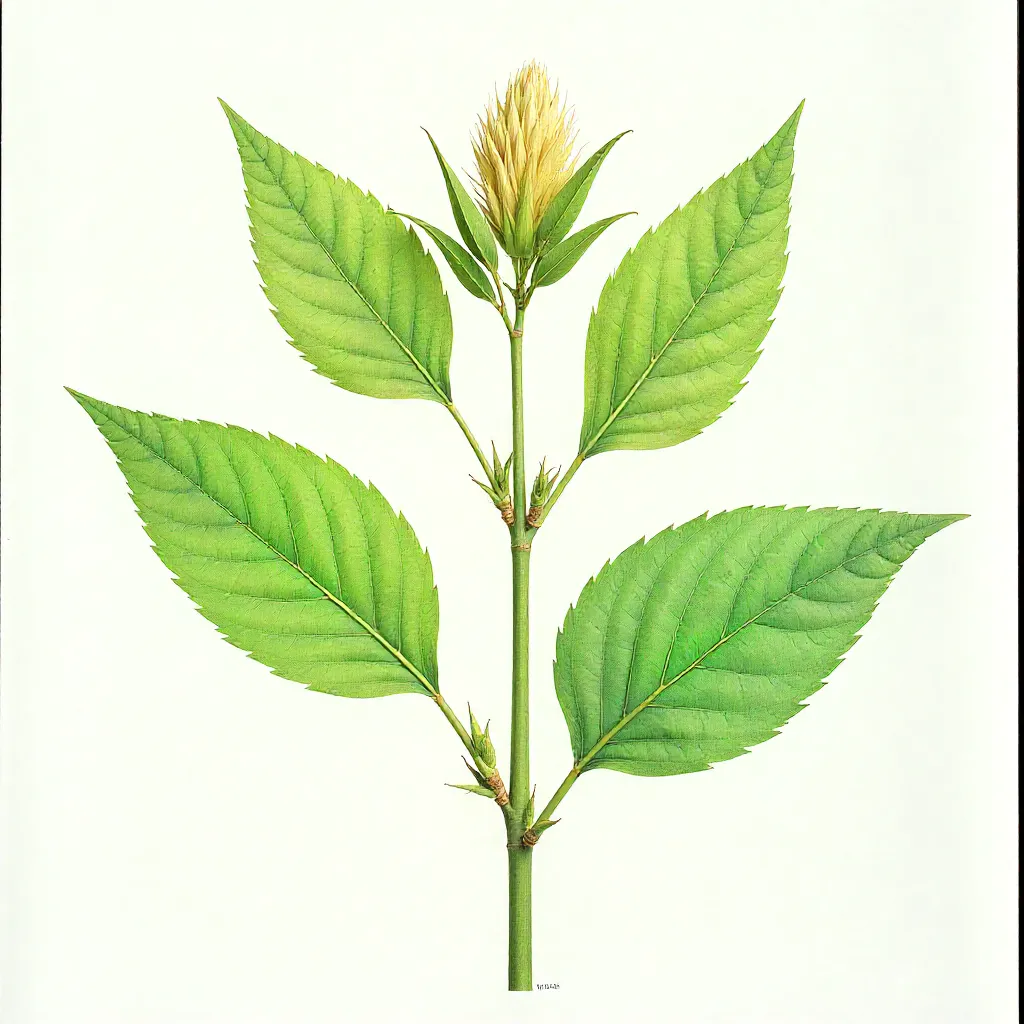
Featured Plant Profiles
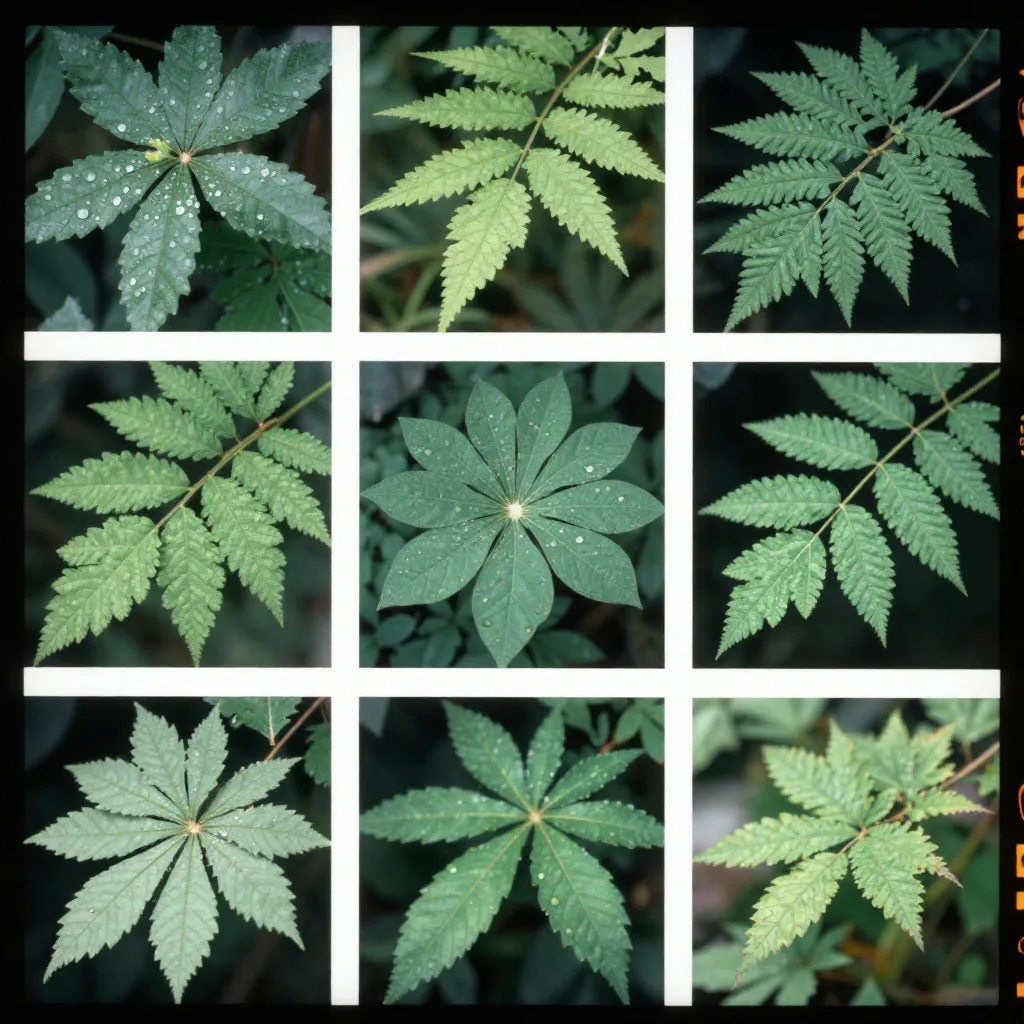
Snake Plant
Characteristics: Upright, sword-like leaves with variegated patterns. Extremely low maintenance and adaptable to various light conditions.
Growth Pattern: Vertical, slow-growing. Produces new shoots from the base.
Visual Appeal: Architectural form with striking leaf patterns that add structure to any space.
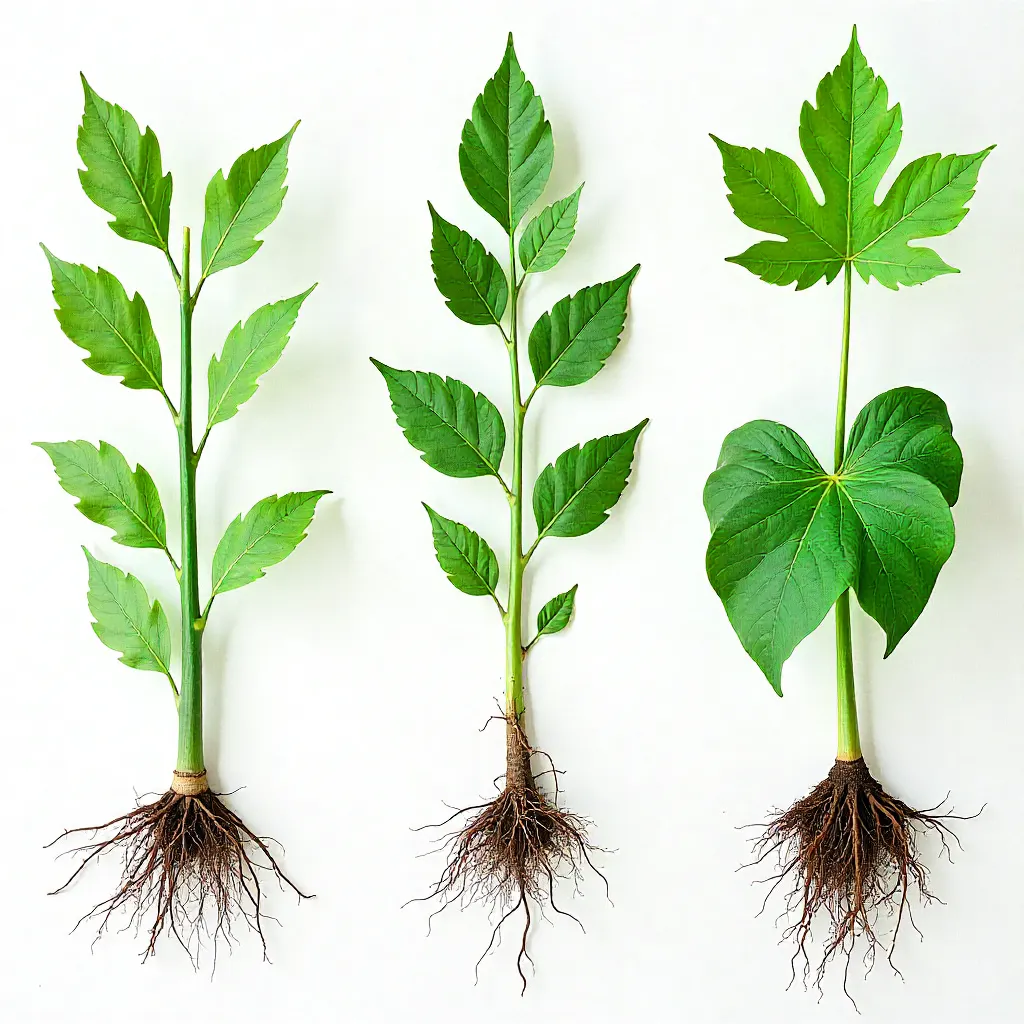
Pothos
Characteristics: Heart-shaped leaves with trailing vines. Available in multiple color variations including golden, marble, and neon.
Growth Pattern: Fast-growing, cascading vines that can reach several feet in length.
Visual Appeal: Lush, cascading foliage perfect for hanging baskets or elevated surfaces.
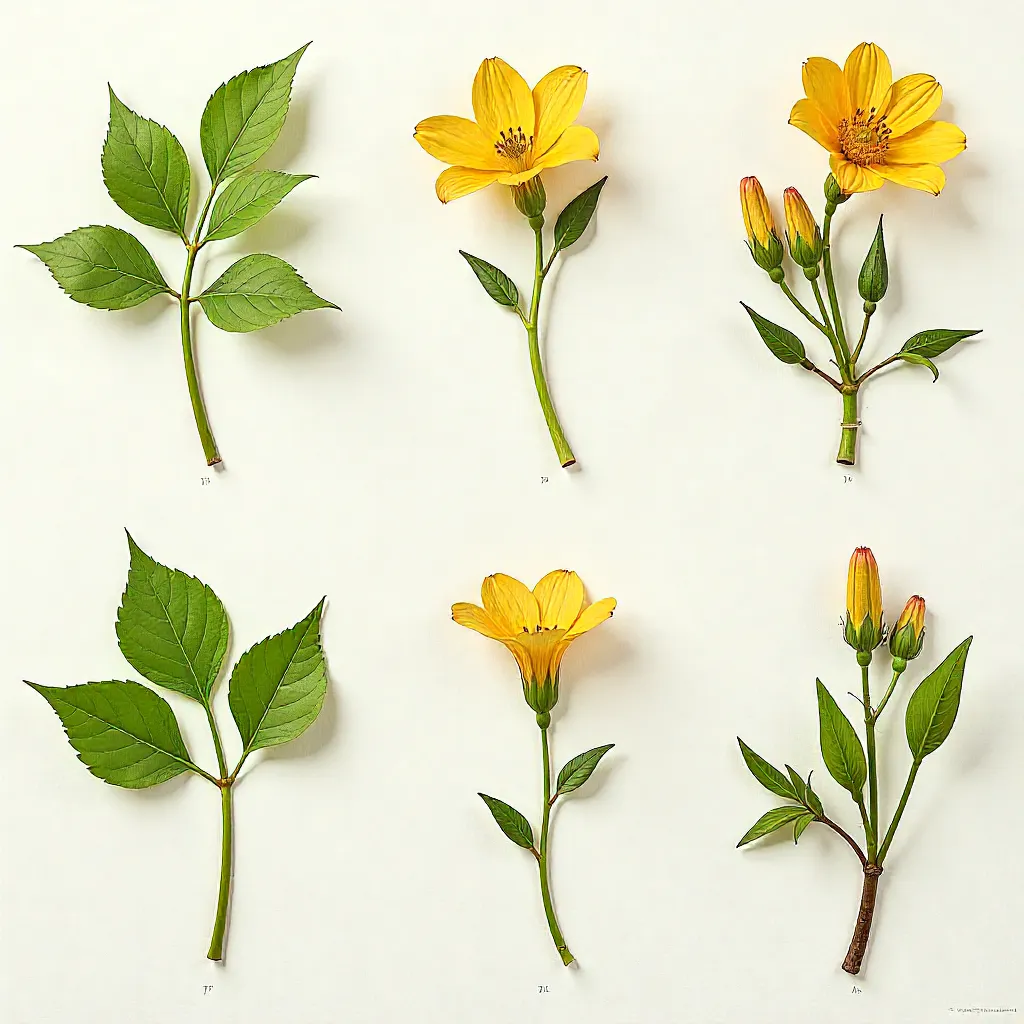
ZZ Plant
Characteristics: Glossy, dark green leaves arranged in pairs along upright stems. Highly drought-tolerant.
Growth Pattern: Slow, steady growth with new stems emerging from rhizomes underground.
Visual Appeal: Modern, minimalist appearance with glossy leaves that reflect light beautifully.
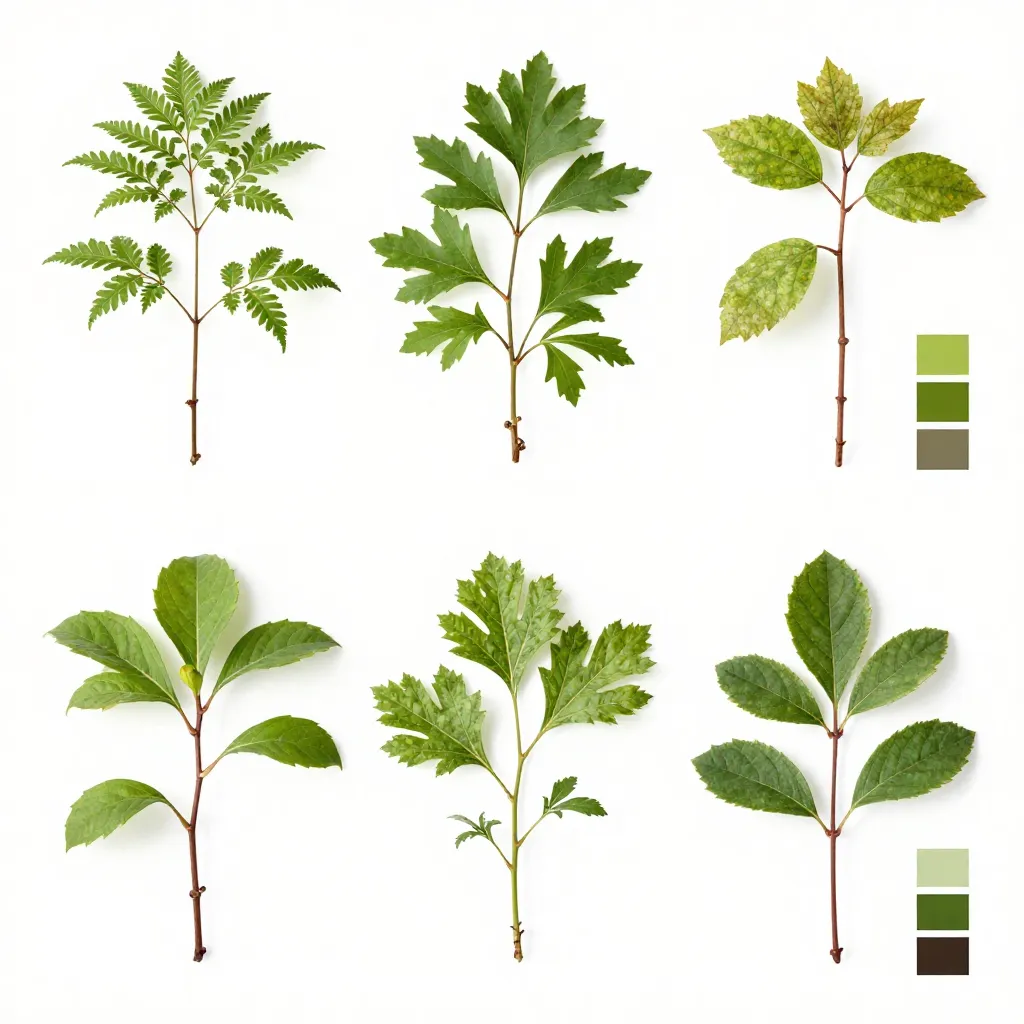
Profile Details
Our visual profiles are designed to help you understand not just what a plant looks like, but how it behaves and grows. Each profile includes:
- High-resolution photography showing leaf texture and structure
- Detailed growth pattern descriptions
- Visual characteristics including color, shape, and size
- Care requirements matched to visual indicators
- Environmental preferences and adaptability
These details help you visualize how each plant will look in your space and understand what care it will need to thrive.
Using Visual Profiles
Visual profiles serve multiple purposes beyond simple identification. They help you:
Plan Your Space
Understand size, shape, and growth patterns to plan optimal placement in your home or office.
Identify Care Needs
Visual indicators like leaf color and texture can signal health status and care requirements.
Create Combinations
Match plants with complementary visual characteristics for harmonious arrangements.